
CRISPR Functional Screening
Functional Screening

CRISPR Functional Screening

CRISPR ScreeningProbe TechnologyFunctional Genomics

CRISPR functional screening and protein modification analysis to assess candidate regulators and related pathways.

CRISPR Functional Screening service utilizes self-developed vitcylation chemical probes combined with CRISPR gene editing technology to systematically screen candidate regulators of vitcylation modification, facilitating the discovery of molecular mechanisms and research applications.

Research target
Candidate regulatory genes, cell models and related protein modification pathways
Evaluation focus
Candidate gene screening, pathway analysis and follow-up validation recommendations
Service type
CRISPR functional screening and candidate analysis
Typical duration
Estimated according to the cell model, screening strategy and validation scope

Service Overview

A project-specific workflow covering screening design, sample assessment and candidate analysis.

Service overview

CRISPR Functional Screening service utilizes self-developed vitcylation chemical probes combined with CRISPR gene editing technology to systematically screen candidate regulators of vitcylation modification, facilitating the discovery of molecular mechanisms and research applications.

Technical principle

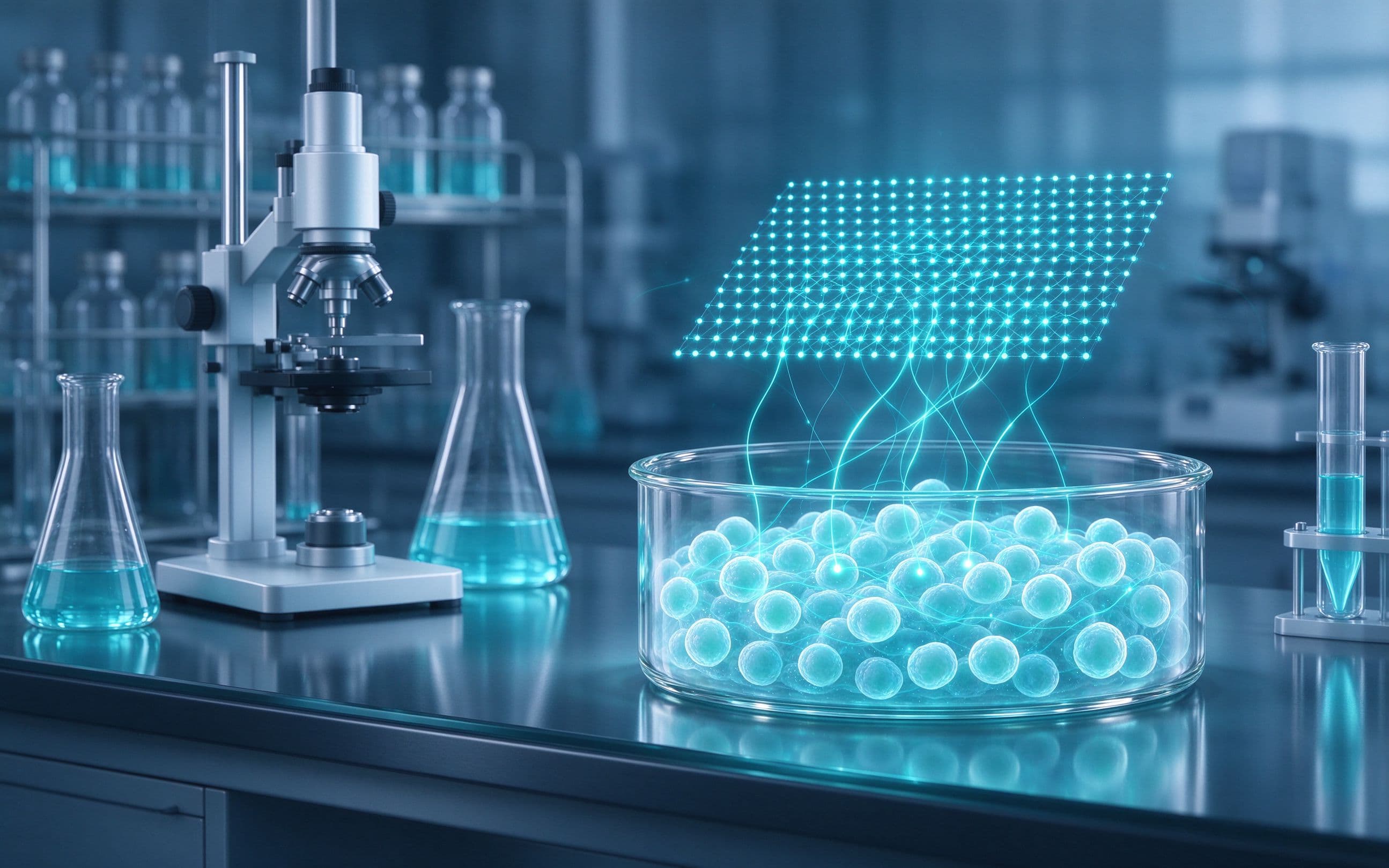
Vitcylation chemical probes are used to specifically label target proteins, combined with CRISPR whole-genome knockout or activation library screening to identify key genes affecting vitcylation levels, thereby discovering novel regulatory pathways and potential drug targets.

Technical principle

Project Workflow

From screening design and sample assessment to result analysis and reporting.

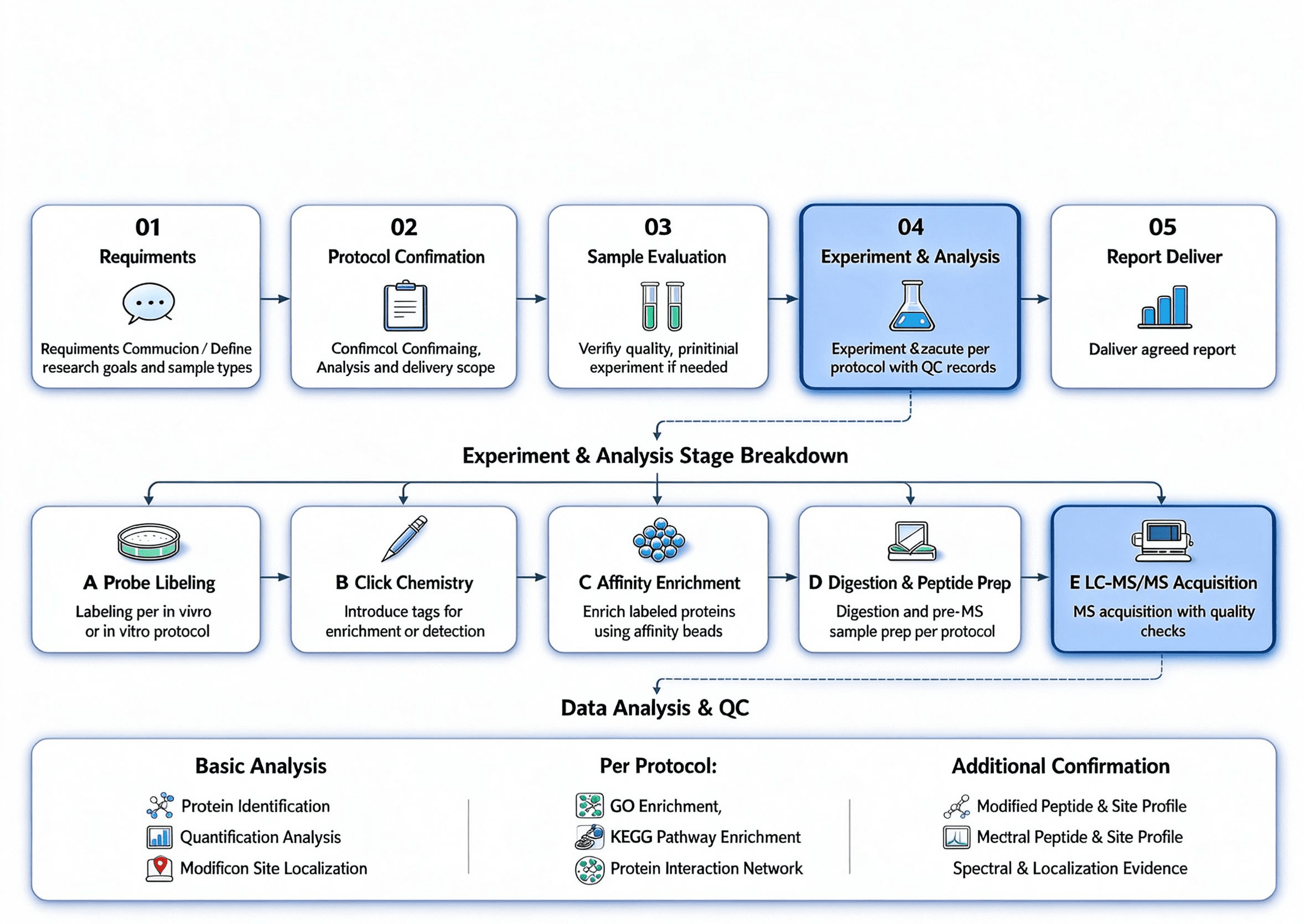
Experimental workflow

The screening strategy and cell model are selected according to the research objective, followed by library processing, sample preparation, detection and data analysis. Experimental steps and feasibility are confirmed after project assessment.

Standardized service workflow

The project team prepares an implementation plan based on research goals and sample conditions, tracks key experimental and quality-control milestones, and confirms the reporting scope before delivery.

Project Workflow

Sample requirements

Sample requirements
Sample typeRecommended amountNotesStorage & shipping
Cell samples1×10^7 cells/group, healthy cells at logarithmic growth phase. Store at -80°C or liquid nitrogen, ship with dry ice. Tissue samples: 100mg/group, snap-frozen in liquid nitrogen and stored at -80°C.

Data analysis

Candidate analysis

organize candidate genes and priorities based on screening data.

Functional annotation

perform applicable functional and pathway analyses using relevant data resources.

Result review

assess key findings against the study design and provide follow-up validation recommendations.

Frequently asked questions

Q · How long does the screening take?

Standard CRISPR screening projects take approximately 8-12 weeks, depending on cell type and screening strategy.

Q · Do you provide validation services?

Yes, we offer follow-up validation experiments for candidate genes, including qPCR, Western Blot, and cell-based functional assays.

Q · Which cell types are supported?

We currently support common mammalian cell lines such as HEK293T, HeLa, and HCT116. Other cell types can be evaluated upon request.

Online inquiry

CRISPR screening and candidate analysis designed around the research objective.